F1 2026: New Rules, New Cars, and Who Will Win the Championship
F1 2026 isn't just an update; it's a revolution. With radical new cars, 50/50 power units, and active aero, the grid is set for its biggest shake-up since 2014. Who will master the chaos and claim the crown?
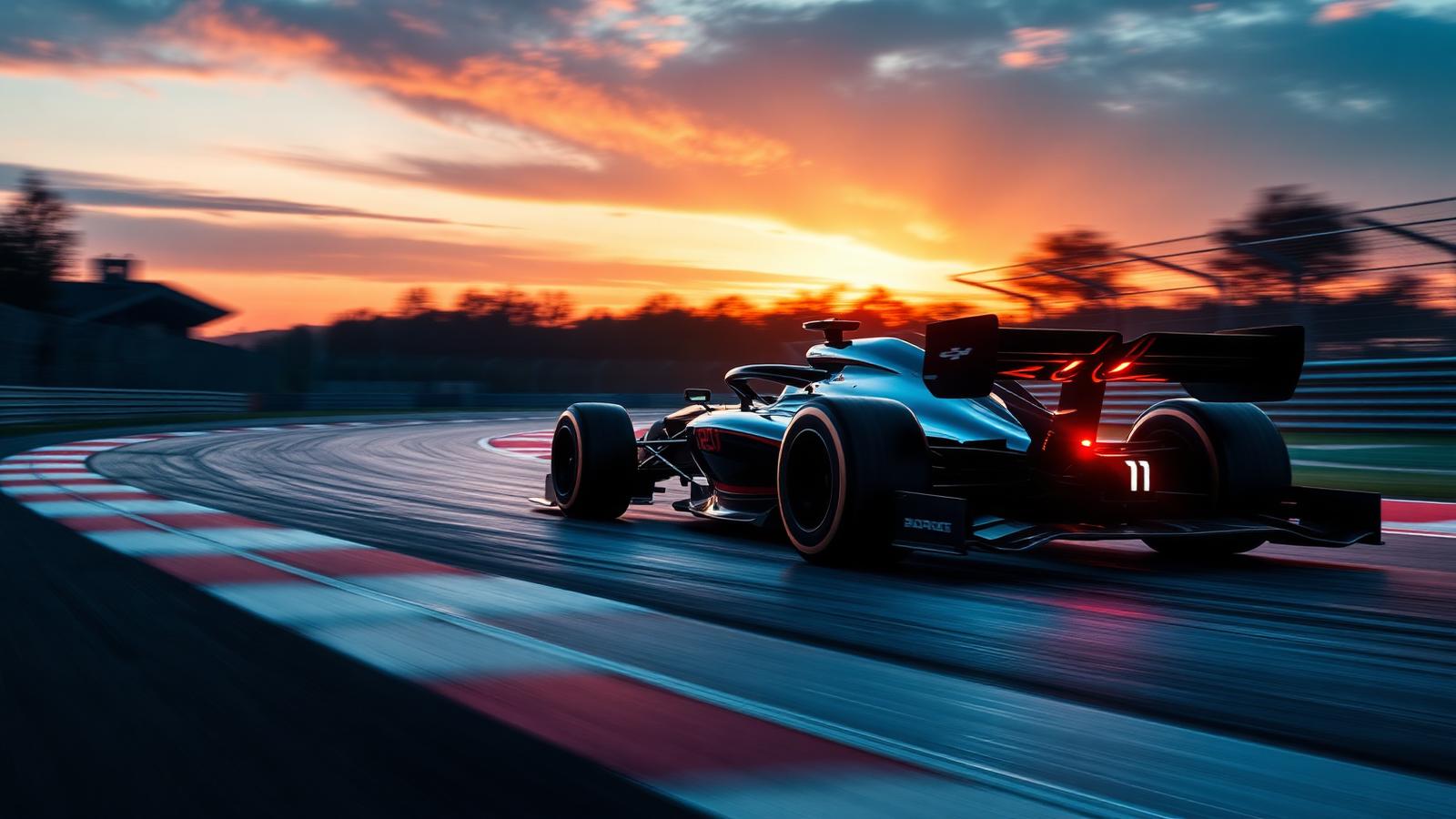
Brace Yourselves: 2026 is the Biggest Formula 1 Reset in a Generation
Forget everything you think you know about the current Formula 1 hierarchy. In 2026, the sport hits the reset button so hard it might as well be a new category. This isn't a gentle evolution like the shift to ground effect in 2022; this is a full-scale revolution, the most significant technical and philosophical upheaval since the dawn of the turbo-hybrid era in 2014. That seismic shift gifted Mercedes a dynasty and left giants like Ferrari and Red Bull scrambling for nearly a decade. Now, the board is being wiped clean once again.
The 2026 regulations are a brave new blueprint for the future of motorsport. Driven by a trifecta of goals—closer, more exciting racing; unprecedented sustainability; and a powerful lure for new manufacturers—the FIA and Formula 1 are betting the house on a radical formula. We're talking lighter, smaller cars with movable wings on both the front and rear, a completely re-imagined power unit with a 50/50 split between electric and combustion power, and 100% sustainable fuels. New automotive titans like Audi, Ford, and potentially General Motors are flocking to the grid, drawn by this new vision. It’s a moment of maximum opportunity and maximum risk. The teams that get it right from the start will dictate the championship narrative for years to come. The ones that get it wrong could be lost in the wilderness. So, who will conquer this brave new world? Let's break it down.
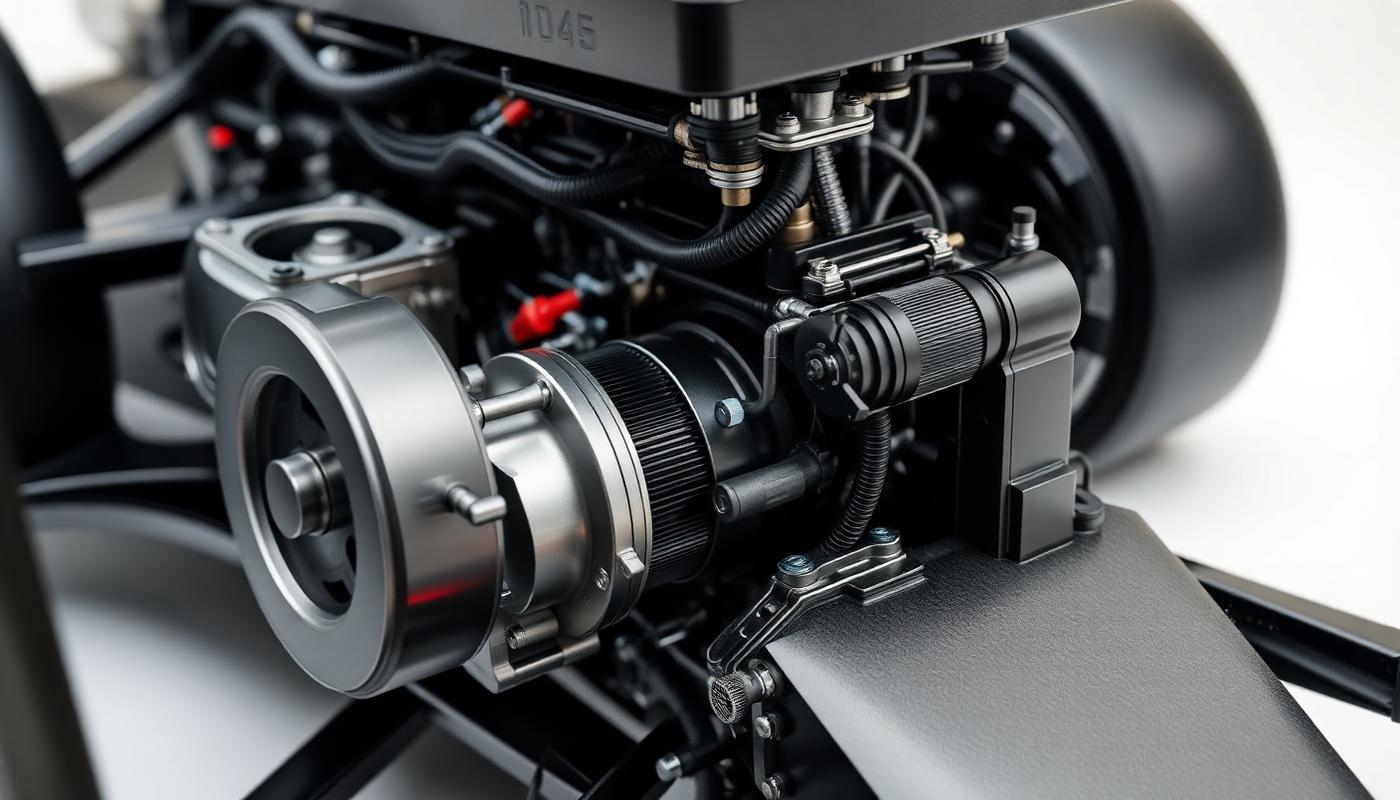
The Nimble Beast: Technical Regulations Decoded
The star of the 2026 show is the car itself. Dubbed the 'nimble car' by the FIA, the design philosophy is a direct response to driver and fan complaints about the current generation of heavy, oversized machines. Every change is geared towards creating a car that is lighter, more agile, and better able to race wheel-to-wheel.
A Lighter, Smaller 'Agile Car'
For the first time since the hybrid era began, cars will be getting smaller and lighter. The changes are significant:
- Weight Reduction: A minimum weight reduction of 30kg, from 798kg down to 768kg. While 30kg might not sound like much for a 1000hp beast, it's a massive engineering challenge and will have a tangible impact on cornering speed and responsiveness.
- Shorter Wheelbase: The maximum wheelbase is being cut by 200mm, from 3600mm to 3400mm. This, combined with a narrower chassis, will make the cars less like lumbering land-yachts and more like the nimble machines of previous eras, allowing for more passing opportunities on tight street circuits like Monaco and Singapore.
- Narrower Body: The cars will be 100mm narrower, down from 2000mm to 1900mm wide.
- Smaller Tires: The 18-inch wheels remain, but the tire width will be reduced, further contributing to weight savings and a different handling profile.
These changes collectively aim to produce a car that is not only faster in a straight line thanks to less drag, but also more 'chuckable' in the corners, allowing drivers to be more aggressive and creative with their lines. For comprehensive details on the framework, the official FIA announcement provides the complete technical outline.
Active Aerodynamics Take Flight: X-Mode & Z-Mode
This is perhaps the most visually and technically exciting development. The much-maligned Drag Reduction System (DRS) is gone. In its place is a far more sophisticated system of active aerodynamics involving both the front and rear wings. Drivers will have two modes to choose from:
- Z-Mode (Standard Mode): This is the default high-downforce configuration. The wing elements will be angled to generate maximum grip for cornering, allowing for incredible performance through the turns.
- X-Mode (Low-Drag Mode): This is the new 'straight-line speed' mode. When activated by the driver on designated straights, both the front and rear wings will pivot into a flat, low-drag configuration. This significantly reduces aerodynamic resistance, allowing the cars to achieve higher top speeds more efficiently.
The key difference from DRS is that this is a universal system used by all cars on the straights, not just a following car. It's a fundamental part of managing the car's performance throughout a lap, transitioning from maximum grip to maximum efficiency at the push of a button.
Manual Override Mode (MOM): The New Overtaking Weapon
If X-Mode is the new normal on the straights, how do you overtake? The answer is the 'Manual Override Mode' (MOM). This is the true replacement for DRS as an attacking tool. While the car ahead is in its low-drag X-Mode, a following car within a certain proximity will be able to deploy an extra burst of electrical energy. This MGU-K override provides a temporary but significant power advantage, allowing the driver to close the gap and attempt an overtake.
The system is designed to be more strategic than DRS. MOM provides a decaying boost of extra power up to 350km/h. It will require drivers to be smarter about when and how they deploy this extra electrical energy, creating a more dynamic and tactical cat-and-mouse game on the straights.
The Heart of the Revolution: The 2026 Power Unit
If the aero changes are the sizzle, the new power unit is the steak. The 2026 PU is the primary reason legacy manufacturers are pouring back into the sport. It’s simpler, more road-relevant, and fundamentally sustainable.
A 50/50 Split: The New Power Dynamic
The most striking change is the energy distribution. The current PUs rely heavily on the internal combustion engine (ICE). The 2026 PU will achieve its 1000+ horsepower from a near-perfect 50/50 split between combustion and electrical power:
- Internal Combustion Engine (ICE): Power output will drop from the current ~750hp to around 540hp (400kW).
- Electrical Power (MGU-K): Electrical output will be massively increased, jumping almost threefold from 120kW to a whopping 350kW (approximately 470hp).
This shift dramatically increases the importance of the electrical systems—the battery and the MGU-K—making F1 a true showcase for high-performance hybrid technology. This is precisely the kind of research and development that is directly applicable to the electric and hybrid road cars of the future, a key factor for manufacturers like Audi and Ford.
100% Sustainable Fuel: F1's Green Gambit
Starting in 2026, Formula 1 cars will be powered by 100% sustainable 'drop-in' fuels. These are not biofuels that compete with agriculture; they are sophisticated e-fuels created in a lab using methods like carbon capture or from non-food biological waste. The key is that they are carbon-neutral, meaning the CO2 released during combustion is equal to the CO2 taken from the atmosphere to create it.
This single initiative allows the iconic sound and emotion of the internal combustion engine to remain a part of Formula 1 while positioning the sport as a pioneer in sustainable liquid fuel technology. It offers a potential lifeline for the world's existing fleet of combustion engine cars, proving that there may be a green future for them yet. From a global perspective, this mirrors the broader shift in energy and technology we are seeing worldwide, a trend we explore in more depth in our AI news trends category.
The Complicated Bits: MGU-H Goes, MGU-K Strengthens
To simplify the power unit and reduce costs, the famously complex and expensive Motor Generator Unit-Heat (MGU-H) is being eliminated. The MGU-H, which recovered energy from the turbocharger, was an incredible piece of engineering but had little to no road-car relevance and was a major barrier to entry for new manufacturers. Its removal is arguably the biggest enabler of the new power unit era. In its place, the Motor Generator Unit-Kinetic (MGU-K), which recovers energy under braking, becomes the star of the show with its power output tripled.
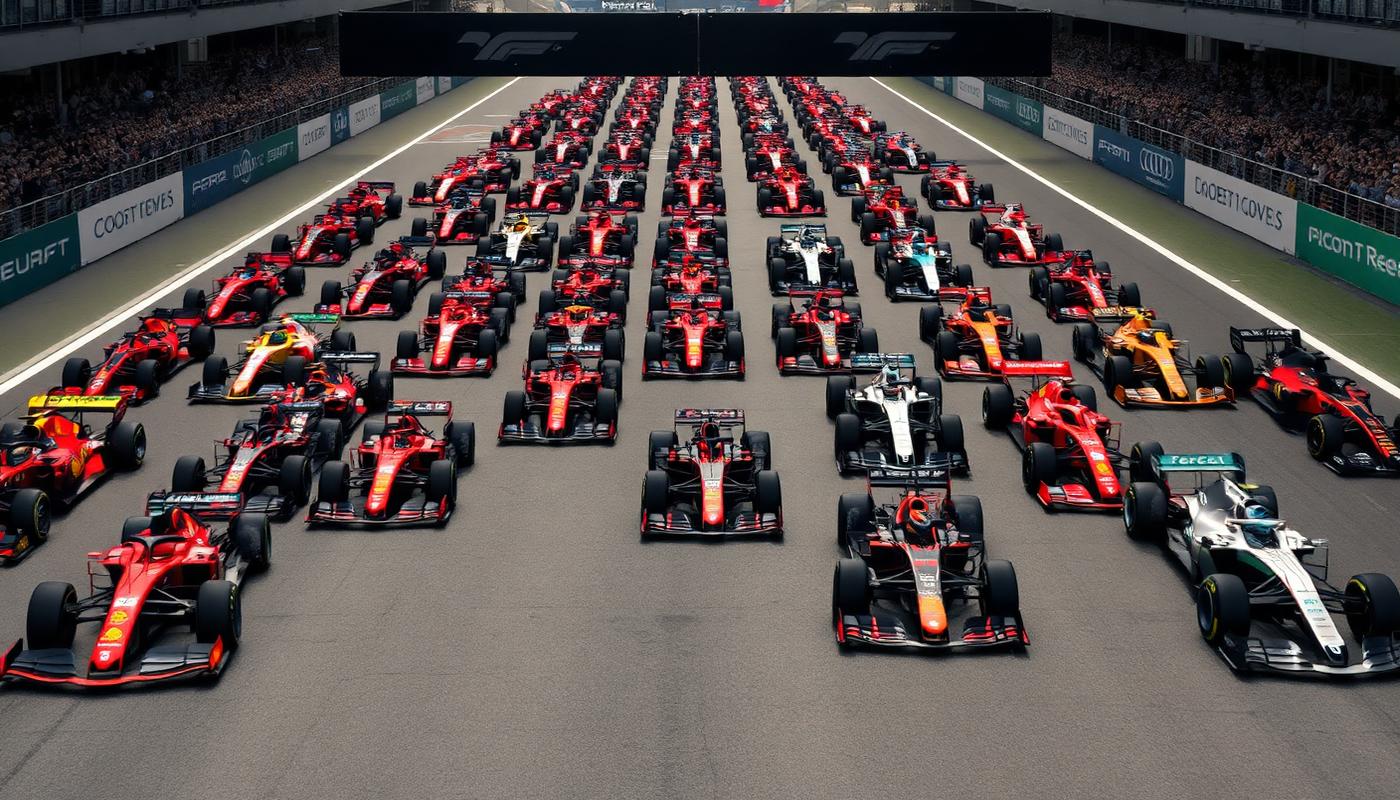
New Players, New Alliances: Shaking Up the Grid
The new regulations have successfully triggered a manufacturer gold rush. The 2026 grid will feature an unprecedented number of works teams and major automotive brands.
Audi's Grand Entrance
The four rings are coming. Volkswagen Group has committed to a full factory effort, rebranding the historic Sauber team as the official Audi works team. They are building their own power unit from scratch at their state-of-the-art facility in Neuburg, Germany. With a storied history of motorsport domination in rallying and at Le Mans, Audi's entry is no vanity project. They are coming to win, and their early and dedicated investment makes them a serious threat from day one.
Ford & Red Bull Powertrains: A New Powerhouse?
After years of using Honda power, Red Bull Racing is taking control of its own destiny. They have established Red Bull Powertrains (RBPT) and partnered with American giant Ford. This makes Red Bull a true works team for the first time, developing its chassis and engine in tandem. While RBPT brings the F1 know-how, Ford brings its name, marketing muscle, and crucial expertise in battery and electric vehicle technology. The 'Red Bull-Ford' name revives a classic partnership and poses a formidable new challenge to the establishment.
Honda's Strategic Return with Aston Martin
In a twist worthy of a Hollywood script, Honda, after 'officially' leaving F1 at the end of 2021, is making a full-works return in 2026. This time, they will be the exclusive power unit supplier for the ambitious Aston Martin team. Lawrence Stroll's massive investment in new facilities, a new wind tunnel, and top-tier talent now has the final piece of the puzzle: a works engine deal. The Honda-Aston Martin alliance could be the dark horse that upsets the entire order.
Cadillac and Andretti: The American Dream?
Though their initial bid for 2025/2026 was controversially rejected by Formula One Management, the Andretti-Cadillac project is far from dead. Parent company General Motors has officially registered as a Power Unit manufacturer from 2028, a move that massively strengthens Andretti's case. The pressure for an iconic American team, backed by a giant American automaker, is immense. It's a matter of when, not if. Don't be surprised to see them join the grid as the 11th team soon after the new regulations bed in.
The Incumbents: Ferrari, Mercedes, and Renault/Alpine
Amidst the influx of new challengers, the stalwarts remain. Mercedes, masters of the 2014 regulations, have the expertise at Brixworth to build another dominant PU. Ferrari, with its unique advantage of producing its chassis and engine under one roof in Maranello, has reportedly dedicated significant resources to the 2026 project very early. For them, 2026 is a golden opportunity to reclaim the sport's top spot. And at Alpine, the Renault factory team continues to develop its own PU, hoping this new formula is the one that finally allows them to break into the top tier.
The Musical Chairs: 2026 Driver Line-up Speculation
A new era of cars always sparks a frenetic driver market. While much is still to be decided, the key pieces are falling into place.
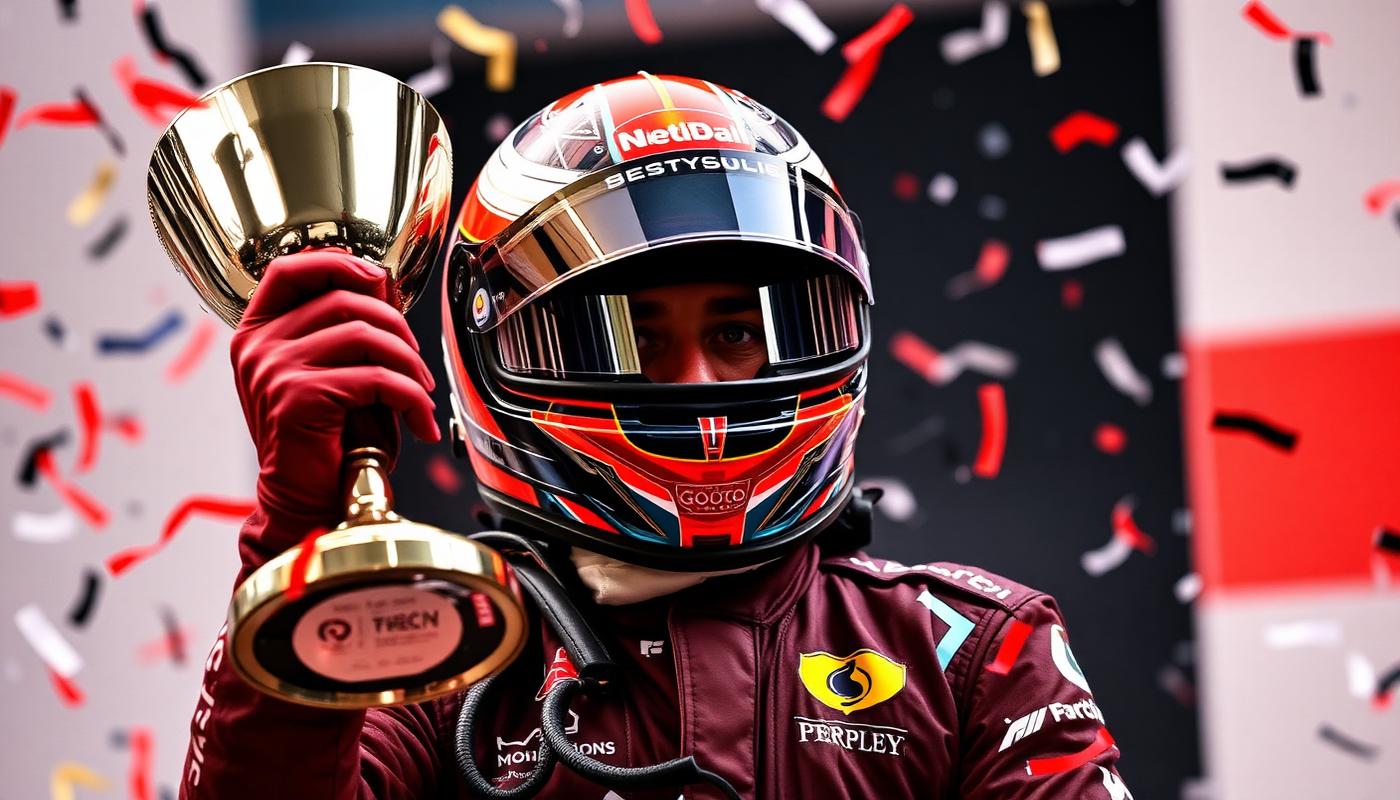
The Established Champions: Verstappen and Hamilton
- Max Verstappen (Red Bull-Ford): The reigning force of the current era will remain with the team that has brought him all his success. His generational talent will be the constant, but his fate will be tied to the success of the brand-new Red Bull-Ford power unit. Can a new PU manufacturer produce a championship-winning engine in its first year? That's the billion-dollar question.
- Lewis Hamilton (Ferrari): The blockbuster move of the decade. By 2026, Hamilton will be in his second year with the Scuderia. Many believe this rules reset was the primary motivation for his move. It presents a golden, almost poetic, opportunity to win that elusive eighth world title with the sport's most romantic team, cementing his GOAT status beyond any doubt.
The Contenders-in-Waiting: Leclerc, Norris, Russell
- Charles Leclerc (Ferrari): The challenge of his career awaits. He'll be partnered with a seven-time champion in the car he has long considered his own. If he can match or beat Hamilton in the same machinery during a regs reset, it will be the ultimate validation of his talent. The pressure will be immense.
- George Russell (Mercedes): With Hamilton gone, Russell becomes the undisputed team leader at Mercedes. This is his chance to build the team around him, just as Hamilton and Schumacher did before him. He will likely be paired with Italian prodigy Kimi Antonelli, making Mercedes a fascinating blend of proven talent and future potential.
- Lando Norris (McLaren-Mercedes): Locked into a long-term contract, Norris is the face of McLaren's resurgence. The team's trajectory is strong, but a key question remains: can a customer team win a championship in the new PU era? They will be dependent on the quality of the Mercedes power unit, without the full integration of a works team.
The Wildcards and Rising Stars
The grid will be filled with fascinating sub-plots. Will the seemingly ageless Fernando Alonso still be racing, leading the new Aston Martin-Honda charge? What will Audi's driver lineup look like, with Carlos Sainz heavily tipped to join? And how will the new machinery and geopolitical climate of the time, not dissimilar to the tensions detailed in this fictional 2026 world events update, affect the sport's landscape? Every seat will hold a story.
Championship Prediction: Who Conquers the New Era?
This is the moment of truth. Peering into the crystal ball is fraught with peril, but based on resources, preparation, and historical precedent, a picture begins to form.
2026 Constructors' Championship Prediction
- Scuderia Ferrari: This is Ferrari's championship to lose. They have a history of nailing initial regulation changes, they control every aspect of their car's design and build in-house, and they have reportedly been prioritizing the 2026 project for longer than anyone. With a superstar driver pairing and the full might of Maranello focused on a single goal, they start as favorites.
- Mercedes-AMG Petronas F1 Team: Never, ever bet against Brixworth. The Mercedes High Performance Powertrains division got the 2014 regulations so right it created an eight-year dynasty. They have the knowledge, the facilities, and the culture of excellence. They will produce a formidable power unit, and their chassis expertise is undeniable. They will be right there.
- Red Bull-Ford Powertrains: The biggest wildcard. Creating a brand-new power unit from scratch is a monumental undertaking. While their aerodynamic team led by Adrian Newey is legendary, engine development is a different discipline. Expect initial reliability gremlins and a learning curve. They will be fast, but may lack the consistency to fight for the title in year one. They'll be a powerhouse by 2027.
2026 Drivers' Championship Prediction
- Lewis Hamilton: The narrative is simply too powerful. His move to Ferrari was a calculated decision based on the 2026 reset. His vast experience in developing new cars, his ability to adapt his driving style, and his political acumen within a team are unmatched. If Ferrari delivers a car that is even 95% of the way there, Hamilton's talent and hunger for that record eighth title will carry him over the line.
- Max Verstappen: You can't keep a driver this good out of the fight. Verstappen operating at his peak is a force of nature. He can wring performance out of a car that no other driver can. His title challenge will be a battle against the teething problems of a new power unit. He will win races, but might be let down by reliability just enough to miss out on the top spot.
- Charles Leclerc: In the same car as Hamilton, Leclerc has the opportunity of a lifetime. He has the raw speed to beat anyone on any given day. The 2026 season will be a full-scale psychological war against his legendary teammate. He will win grands prix and could very well lead the championship at times, but in the final reckoning, Hamilton's experience in a new era might just be the deciding factor.
For the FIA and F1's official take on the 2026 cars, visit the official Formula 1 website.
Key Takeaways
- A New Formula: 2026 introduces lighter, smaller, more 'nimble' cars designed for better racing.
- Active Aero: DRS is gone, replaced by movable front and rear wings (X-Mode/Z-Mode) for efficiency and a 'Manual Override' electrical boost for overtaking.
- Revolutionary Power: New power units will have a 50/50 electric-ICE split and run on 100% sustainable e-fuels.
- New Titans Arrive: The grid is bolstered by works teams from Audi (taking over Sauber) and Ford (partnering with Red Bull), plus a works Honda deal for Aston Martin.
- The Prediction: Ferrari and Lewis Hamilton start as narrow favorites to master the new era, but expect a fierce challenge from Mercedes and Max Verstappen's Red Bull-Ford.
FAQ
H3: Will the 2026 cars be faster or slower than current cars?
They will be different. On the straights, thanks to the low-drag X-Mode and over 1000hp, they should be exceptionally fast. However, with less downforce overall and less 'dirty air' effect from simplified aero, cornering speeds are expected to be slightly lower initially. The goal is not peak lap time, but better raceability.
H3: Why is the MGU-H being removed from the engine?
The Motor Generator Unit-Heat (MGU-H) was a marvel of engineering but was incredibly expensive to develop, fiendishly complex, and had almost no relevance to road car technology. Removing it simplifies the power unit, drastically cuts costs, and lowers the barrier to entry, which was crucial for attracting new manufacturers like Audi and Ford.
H3: What exactly is Manual Override Mode (MOM)?
Think of it as the strategic replacement for DRS. While DRS was a simple flap opening for a following car, MOM is a deployable boost of electrical energy (350kW). A car following another will be able to use this extra power for a short duration to gain a speed advantage and attempt an overtake. It adds a layer of energy management and tactics to battles on the straight.
H3: Will more teams join F1 in 2026?
Audi is confirmed to be on the grid in 2026, rebranding the Sauber team as a full factory outfit. This brings the grid to six major Power Unit manufacturers. The Andretti-Cadillac team remains a very strong possibility to join as an 11th team, potentially in 2026 or 2027, especially now that GM has registered as a PU supplier for 2028.
Conclusion
Formula 1 in 2026 will look, sound, and feel different. It's a calculated gamble on a future that is more sustainable, more competitive, and more appealing to a new generation of fans and manufacturers. The pieces are on the board for a spectacular reshuffling of the F1 world order. Will Ferrari and Hamilton seize the moment? Will Mercedes' technical prowess win the day again? Or will the new Red Bull-Ford venture, or an Audi dark horse, upset the entire paddock? One thing is certain: the race for 2026 has already begun. Stay tuned to AItoolio and our main homepage, as we will be tracking every development on the road to what promises to be a legendary season.
#F1 #Formula1 #F12026 #F1News #Verstappen #Hamilton #Ferrari #Mercedes #Audi #MotorSport
Keep reading

The Brink in 2026: Navigating the Iran-Israel War
As the world watches anxiously, the Iran-Israel conflict of 2026 escalates, drawing in the United States and threatening global stability. This is a deeply human look at the war's true cost and the perilous road ahead.

Brink of Chaos: USA, Iran, Israel Stare Into the Abyss (June 2026)
The 'shadow war' is over. Overt missile strikes between Iran and Israel have pushed the Middle East to the brink. With the US on high alert, we analyze the path to war and the desperate search for a ceasefire in June 2026.

AI GLM 5.2 That Beats Claude Fable 5: A New Era of LLM Dominance
GLM 5.2 has arrived, and it's officially outperforming Claude Fable 5 in coding, math, and long-context retrieval. Explore the technical breakthroughs behind Zhipu AI's new powerhouse.